


Understanding gambling addiction How to recognize the signs and seek help
What is Gambling Addiction?
Gambling addiction, also known as compulsive gambling or pathological gambling, is a condition characterized by an uncontrollable urge to gamble despite the negative consequences. This addiction can lead to severe financial, emotional, and social ramifications, affecting not just the individual but also their family and friends. Recognizing gambling addiction is crucial to seeking appropriate help and support. For example, many players may find themselves visiting sites that offer exciting games, such as fun88 ทางเข้า ล่าสุด, but struggle with moderation.
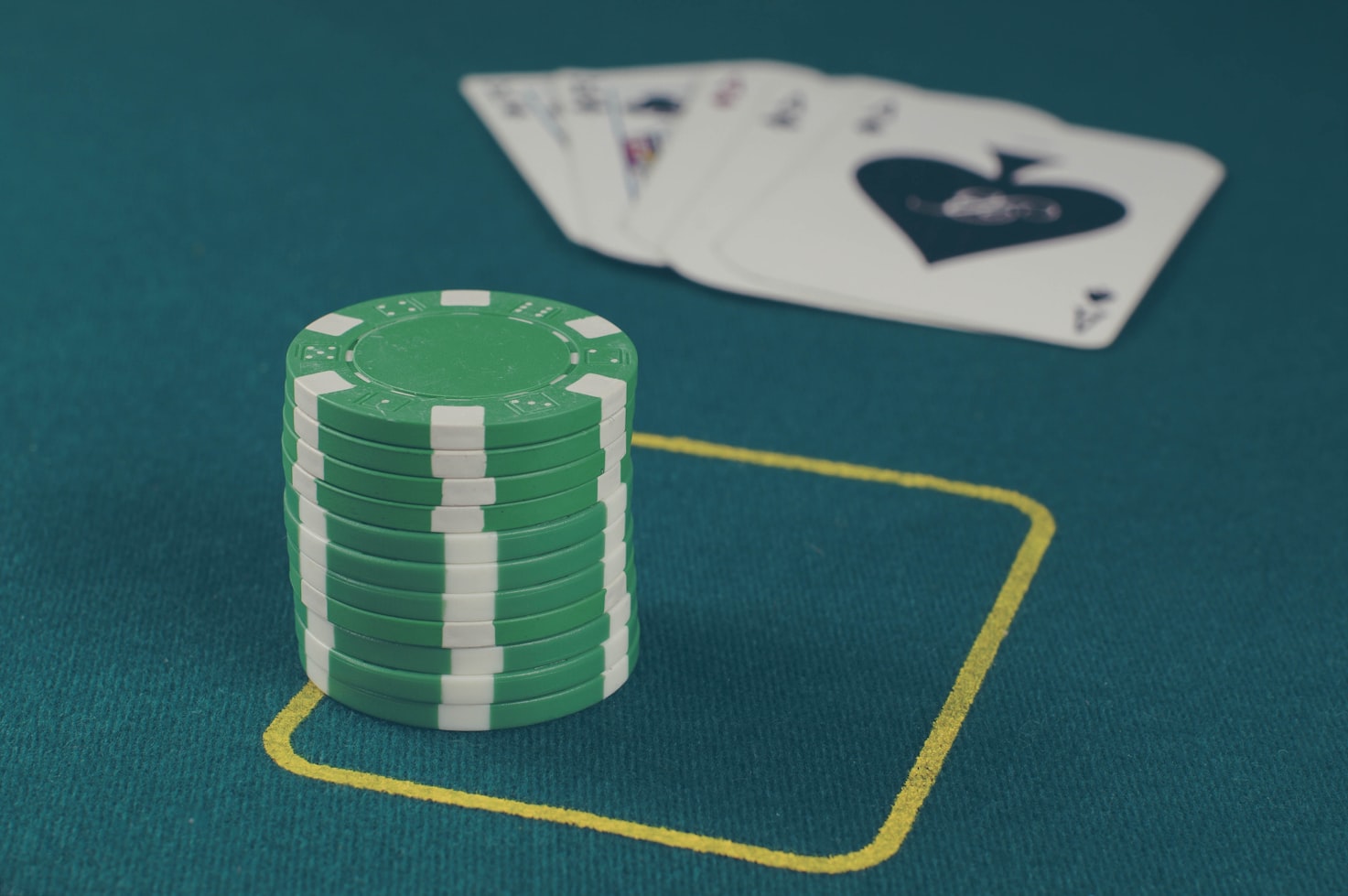
At its core, gambling addiction often begins as a casual activity. However, it can quickly escalate into a harmful dependency that takes precedence over other important aspects of life. Those affected may find themselves betting larger amounts, chasing losses, or engaging in gambling behaviors that harm their relationships and wellbeing.
Recognizing the Signs of Gambling Addiction
Identifying gambling addiction can be challenging, as many individuals may not recognize their behavior as problematic. Common signs include preoccupation with gambling, needing to gamble with increasing amounts of money to achieve satisfaction, and experiencing withdrawal symptoms when not gambling. Emotional distress such as anxiety, depression, and irritability can also accompany this addiction.
Another indicator is the tendency to lie about gambling habits to loved ones or to conceal the extent of the gambling from friends. Additionally, individuals may resort to illegal activities to fund their gambling or may gamble to escape from personal problems. Recognizing these signs early can pave the way for timely intervention.
The Impact of Gambling Addiction on Life
The ramifications of gambling addiction are extensive, affecting various aspects of an individual’s life. Financial problems are often the most immediate consequence, leading to debts, bankruptcy, and loss of assets. The emotional toll can result in feelings of shame, guilt, and hopelessness, leading to a cycle of further gambling to escape these negative emotions.
Relationships with family and friends are also jeopardized as the addicted individual may prioritize gambling over their loved ones. Trust issues often arise, causing significant strain and conflict. It is essential to understand that gambling addiction is a progressive disorder that can become worse over time if not addressed.
Seeking Help for Gambling Addiction
If you or someone you know is struggling with gambling addiction, seeking help is a vital step. Professional treatment options include therapy, support groups, and counseling. Cognitive-behavioral therapy has proven effective in helping individuals change their thinking patterns related to gambling.
Support groups, such as Gamblers Anonymous, provide a safe space for individuals to share their experiences and support one another in recovery. Involving family members in the treatment process can also help rebuild trust and foster a supportive environment for recovery.

About Our Resource
Our website is dedicated to raising awareness about gambling addiction and providing valuable resources for those affected. We aim to educate individuals about the signs of gambling addiction and the importance of seeking help. By offering information, support, and guidance, we hope to empower individuals to take the first steps towards recovery.
If you are seeking more information or need assistance, we encourage you to explore the resources available on our site. Remember, you are not alone, and help is always within reach.