


The historical evolution of gambling Unveiling Mini Roulette's journey through time
The Origins of Gambling
The history of gambling can be traced back to ancient civilizations, where evidence suggests that various forms of betting and games of chance were practiced. In ancient China, around 2300 BC, rudimentary gambling activities included betting on games and even the use of dice made from animal bones. Similarly, in ancient Rome, citizens engaged in gambling during public events, showcasing an early intertwining of social activities and wagering. These early practices set the foundation for gambling’s enduring presence throughout history, including modern options like Mini Roulette.
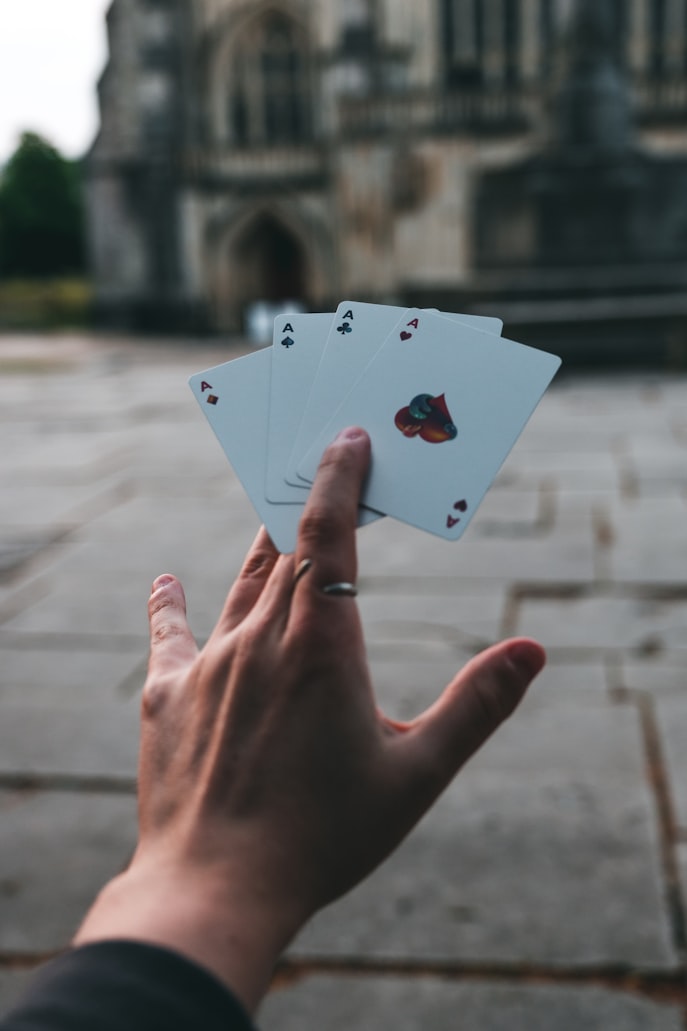
Gambling was not merely a pastime; it was often intertwined with cultural and religious practices. For instance, the Romans used games of chance during festivals, believing that luck was a sign from the gods. This belief in divine influence over chance games illustrated how deeply entrenched gambling was in societal norms. Over time, these early manifestations of gambling evolved into more structured forms, such as lotteries and betting on sporting events, illustrating the continuous human fascination with risk and reward.
As societies advanced, so did the complexity of gambling. By the Middle Ages, card games emerged, with the first known deck appearing in Italy around the 14th century. These games marked a shift toward more organized gambling establishments, paving the way for modern casinos. The evolution of gambling from ancient rituals to card games indicates a growing sophistication in gambling practices, eventually leading to the establishment of formal gaming regulations and the emergence of iconic games such as roulette.
The Emergence of Casino Culture
The late 17th and early 18th centuries witnessed the birth of modern gambling establishments known as casinos. The first official casino, the Casino di Venezia, opened its doors in Italy in 1638, setting a precedent for luxury and entertainment in gaming. This era marked a significant transformation, where gambling became a recognized form of entertainment, attracting affluent individuals. The opulent surroundings of these early casinos provided an immersive experience, blending social interaction with the thrill of chance.
During this time, roulette was introduced as a staple game within casinos, quickly gaining popularity for its elegant design and straightforward gameplay. The game’s mechanics, involving a spinning wheel and a ball, captivated players, creating an aura of suspense and excitement. The development of roulette coincided with the rise of gambling as an institution, indicating how social acceptance transformed the landscape of gaming in Europe.
As the casino culture spread across Europe, so did the variations of roulette, leading to the establishment of Mini Roulette. This smaller version of the classic game retained the essence of roulette while offering a more accessible experience. The appeal of Mini Roulette lay in its simplified rules and faster gameplay, making it particularly attractive to new players and those seeking a quick diversion from traditional casino experiences.
The Globalization of Gambling Practices
The 19th century marked the globalization of gambling, as European settlers brought their gaming traditions to the Americas and beyond. This era was characterized by the establishment of gambling houses and saloons in the United States, where various forms of betting thrived. The California Gold Rush and the establishment of Las Vegas further propelled gambling into the mainstream, making it synonymous with American culture. The migration of gambling practices illustrates a shared human desire for risk and fortune, transcending geographical boundaries.
The invention of online gambling in the late 20th century brought a revolutionary shift to the gambling landscape. The internet allowed players to access various games, including Mini Roulette, from the comfort of their homes, further democratizing the experience. Online platforms provided opportunities for players to engage in a risk-free environment, offering demo versions of games for newcomers. This accessibility transformed gambling into a global phenomenon, attracting a diverse audience and fostering an online community around gaming.
As technology continues to evolve, so does the gambling experience. Innovations such as mobile gaming and live dealer games have made it possible for players to enjoy the thrill of a casino from virtually anywhere. Mini Roulette, with its engaging format, has gained traction among players seeking a fun and less intimidating introduction to the world of roulette. This evolution reflects the ongoing adaptability of gambling practices to meet the desires and preferences of modern players.
The Role of Celebrity Gamblers
The rise of celebrity gamblers has added another intriguing layer to the world of gambling. High-profile figures, from athletes to movie stars, often find themselves in the spotlight for their gambling exploits. These celebrities not only bring attention to games like Mini Roulette but also influence public perception of gambling as a glamorous and high-stakes endeavor. Their involvement in gambling can inspire a new generation of players to explore various gaming options.
Celebrity gamblers often use their fame to create a brand around their gambling persona, participating in high-stakes games and charity events. This trend has led to the emergence of poker tournaments featuring A-list celebrities, making the gambling experience more accessible and entertaining for fans. The glamor surrounding these individuals adds excitement to games like Mini Roulette, turning them into a cultural phenomenon that captivates audiences worldwide.
Additionally, the stories of celebrity gamblers serve as cautionary tales, highlighting both the potential for massive wins and devastating losses. Their experiences can serve to educate the public about responsible gambling practices, emphasizing the importance of enjoying games like Mini Roulette in moderation. By sharing their journeys, celebrity gamblers have the power to impact the gambling industry positively, promoting a balanced and mindful approach to gaming.

Experience Mini Roulette Online
In today’s digital age, online platforms are redefining the gambling experience, particularly with games like Mini Roulette. These platforms offer players the opportunity to engage in thrilling gameplay from the comfort of their homes. The user-friendly interfaces and immersive environments provide an engaging experience, allowing players to enjoy both demo versions and real-money gameplay. This accessibility has made Mini Roulette a popular choice among both seasoned players and newcomers alike.
One of the standout features of online Mini Roulette is the ability to engage in risk-free gameplay. Players can familiarize themselves with the rules and strategies of the game without the pressure of financial stakes. This aspect is particularly beneficial for those looking to learn the ropes of roulette, ensuring that they can enjoy the game at their own pace. The social aspect of gaming is also enhanced through online chat features and community forums, fostering connections among players worldwide.
As the online gambling industry continues to grow, websites dedicated to games like Mini Roulette will likely expand their offerings, providing enhanced gaming experiences and innovative features. These developments will not only attract new players but also keep existing ones engaged. Whether you’re a casual gamer or a dedicated enthusiast, exploring the world of Mini Roulette online promises a blend of excitement, strategy, and community, ensuring that the journey through time continues in this ever-evolving landscape.